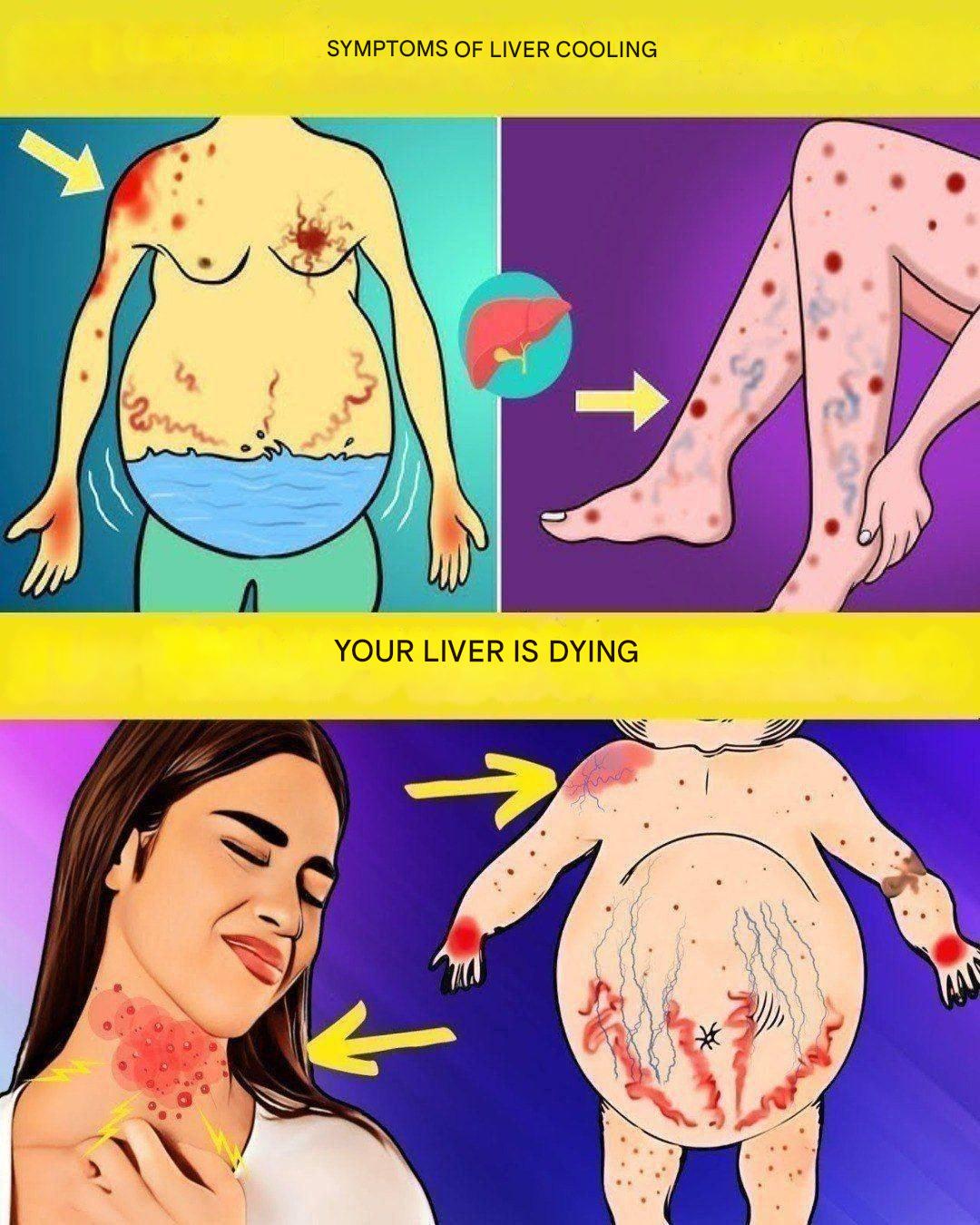
Have you ever wondered if your liver is functioning properly? The liver is one of the most important organs in the body, responsible for filtering toxins and maintaining basic metabolic functions. When something is wrong with the liver, it typically sends out warning signals. Some may be subtle, others more obvious. Want to know what they are?
The liver is one of the most important organs in ensuring the proper functioning of the human body. When something is wrong, symptoms may initially be mild, but it's important to pay attention to the situation to avoid more serious consequences. In this article, we'll examine 17 signs of liver malfunction, along with their possible causes.
If you've ever experienced unexplained fatigue, skin changes, or digestive problems, your liver may be sending a warning signal. We'll discuss these symptoms clearly and in detail, so you know when to see a doctor.
1. Chronic Fatigue
Excessive fatigue is one of the first symptoms of liver problems. Persistent fatigue occurs when the liver is unable to properly process toxins, resulting in the accumulation of harmful substances in the blood.
Remove age spots with a homemade mixture of onion and apple cider vinegar
2. Yellow skin (jaundice)
One of the most obvious symptoms of liver problems is jaundice, which causes yellowing of the skin and eyes. This occurs due to the accumulation of bilirubin in the blood.
3. Dark urine
Dark urine can be another symptom of liver dysfunction, as excess bilirubin is also excreted in the urine.
See also
4. Light or grayish stool
Alterations in stool color, such as a lighter or grayish hue, may be a sign of a blocked bile duct or improper bile production by the liver.
5. Abdominal Pain
Pain in the upper right abdomen, where the liver is located, may be a sign of swelling or inflammation of the organ.
6. Abdominal Swelling (Ascites)
Ascites is an accumulation of fluid in the abdominal cavity. It usually occurs in the advanced stages of liver disease.
7. Nausea and Vomiting
Liver problems can cause constant nausea and even vomiting, especially after meals.
8. Loss of Appetite
Loss of appetite can be an early sign of liver problems and is often associated with a feeling of fullness even after eating a small amount of food.
9. Unexplained Weight Loss
Unexplained weight loss without a change in diet or physical activity can be a warning sign of liver disease.
10. Swelling of Legs and Ankles
Liver problems can cause fluid retention in the extremities, resulting in swelling of the feet, ankles, and legs.
11. Mental Confusion
Confusion, also known as hepatic encephalopathy, occurs when the liver fails to properly filter toxins from the blood, affecting the brain.
12. Itchy Skin
Intense, persistent itching may be a symptom of cholestasis, a condition in which bile flow is disrupted, causing bile salts to build up in the skin.
13. Skin Spots
The appearance of dark spots or small, visible veins under the skin may be a sign of liver problems.
14. Easy Bruising
If you bruise easily, it may be a sign that your liver isn't producing the proteins needed for blood clotting.
15. Frequent Bleeding
Bleeding from the nose or gums may be another symptom of liver damage.
16. Intolerance to fatty foods
If you have difficulty digesting fatty foods, it could mean that your liver is having trouble metabolizing fats.
17. Taste changes
Changes in taste, such as a metallic taste in the mouth or a loss of interest in foods you once enjoyed, can also be a symptom of liver problems.
Frequently Asked Questions
1. What causes liver disease?
Liver disease can be caused by many factors, including alcohol abuse, viral infections (hepatitis), and obesity.
2. How can liver disease be prevented?
Liver disease can be prevented by, among other things, following a balanced diet, avoiding excessive alcohol consumption, and undergoing regular checkups.
3. Can the liver regenerate itself?
Yes, the liver has an incredible capacity for regeneration, but this capacity is limited when the disease reaches an advanced stage.
Take care of your liver
Now that you know the 17 signs that something is wrong with your liver, it's important to pay attention to your body and consult a doctor if you notice any of these symptoms. The earlier liver dysfunction is detected, the greater the chances of success.
Continue reading by clicking the ( NEXT 》 ) button below !