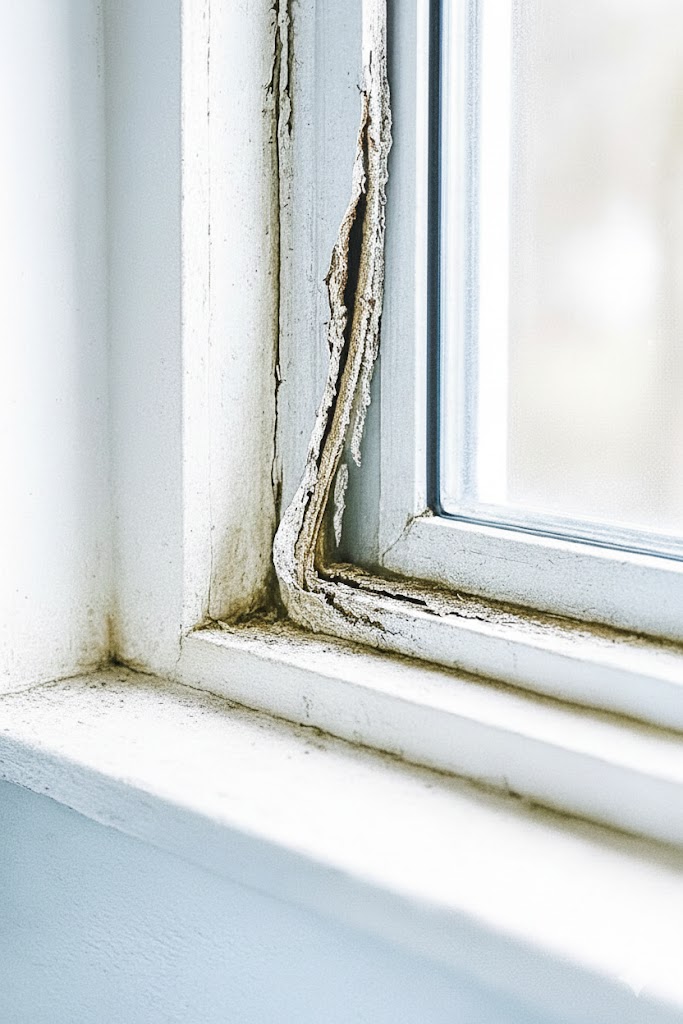
As winter approaches, the chill in the air can become more than just a seasonal inconvenience when it starts creeping into your home through drafty windows. The sudden spike in your heating bill is a sure sign that your house is losing precious heat, often through unnoticed cracks and gaps around windows. While a permanent resealing solution is ideal, it might not always be immediately feasible. Luckily, there are several quick and effective fixes that can help you keep the cold out and your heating costs down until professional help arrives.
These temporary measures vary in complexity and cost, but they all have one thing in common: they can be implemented with minimal tools and effort, providing you with immediate relief from the biting cold. From simple DIY hacks to more comprehensive solutions, these methods will help you weather the winter chill without breaking the bank.
Advertisement
1. Do a Quick Draft Hunt to Find the Worst Leaks
Before you can effectively seal your windows, you need to identify where the drafts are coming from. Start by holding a lit candle or an incense stick around the edges of your window frames. Watch the flame or smoke closely; if it flickers or wavers, you've found a draft. Pay special attention to corners and areas where different materials meet, as these are common culprits.
For a more precise measurement, you can use a thermal camera or an infrared thermometer. These tools can show you exactly where heat loss is occurring, which can be invaluable for targeting your efforts. Once you've identified the leakiest areas, you can prioritize them in your sealing efforts for maximum impact on your comfort and heating bill.
2. Close the Gaps Fast With Temporary Weatherstripping Tape
Weatherstripping tape is an easy-to-use, cost-effective solution for sealing gaps around your windows. It comes in foam, rubber, or vinyl and can be applied directly to the window frame where leaks are occurring. Simply cut the tape to size and press it firmly into place.
This method is particularly useful for windows that won't be opened frequently during the winter months, as it creates a semi-permanent seal that can be removed when warmer weather returns. With weatherstripping tape, you can quickly and effectively block out drafts, improving your home's insulation and reducing your energy costs.
3. Use Rope Caulk to Seal Cracks Around the Window Frame
Rope caulk is a pliable, clay-like substance that can be used to seal cracks and gaps around window frames. It's easy to work with and can be molded into any shape, making it ideal for irregular or hard-to-reach spaces.
To apply, simply roll the rope caulk between your hands to warm it up, then press it into any cracks or gaps you want to seal. It adheres well to wood, metal, and vinyl, providing a flexible barrier against the cold. As a bonus, rope caulk is also easy to remove, leaving no residue behind when it's time to reseal your windows permanently.
4. Apply Removable Caulk Where the Old Seal Has Failed
Removable caulk is a fantastic temporary solution for sealing windows with failed or missing caulking. This type of caulk is designed to be easily removed when no longer needed, making it perfect for renters or anyone looking for a short-term fix.
To apply, clean the area thoroughly to remove any dirt or debris, then apply the caulk with a caulking gun, smoothing it out with your finger or a caulk smoother. Allow it to dry completely before testing for drafts. Removable caulk provides a strong seal against the elements and can significantly reduce heat loss through your windows.
5. Install a Clear Plastic Shrink-Film Kit Over Drafty Windows
Shrink-film kits are a popular, low-cost solution for insulating drafty windows. These kits typically include a sheet of clear plastic film and double-sided tape, which together create a barrier against cold air infiltration.
To install, apply the double-sided tape around the window frame, then attach the plastic film, ensuring it's taut and wrinkle-free. Use a hairdryer to shrink the film, creating a tight seal that reduces heat loss and improves energy efficiency. The clear plastic allows sunlight to enter, helping to naturally warm your home.
6. Try the Viral Bubble Wrap Hack for Super-Cold Windows
Bubble wrap isn't just for packing fragile items; it can also serve as a temporary insulator for cold windows. This method is especially effective for windows that are rarely used or in rooms that don't require a clear view.
Cut the bubble wrap to the size of your window, spray the glass lightly with water, and press the bubble side of the wrap against the glass. The water helps the bubble wrap adhere to the window, creating an insulating layer that traps air and reduces heat loss. This hack is both affordable and easy to remove, making it a great short-term solution for drafty windows.
7. Block Leaks at the Bottom With Draft Stoppers and Towels
A simple yet effective way to block drafts at the bottom of your windows is by using draft stoppers or rolled-up towels. These can be placed along the window sill to prevent cold air from seeping in and warm air from escaping.
Draft stoppers are available in various sizes and materials, including weighted fabric and silicone. If you're in a pinch, a rolled-up towel or blanket can serve the same purpose, providing an instant barrier against cold air. This method is particularly useful for windows with noticeable gaps at the bottom.
8. Hang Heavy Curtains or Thermal Panels as an Instant Insulator
Hanging heavy curtains or thermal panels is an excellent way to insulate your windows and improve your home's energy efficiency. These window coverings are designed to reduce heat transfer, keeping your home warmer during the winter months.
Choose curtains that extend well beyond the edges of your window frame to maximize their insulating effect. Thermal panels often include an insulating liner that helps to retain heat, reducing the need for additional heating. By closing the curtains at night and during particularly cold days, you can significantly reduce drafts and keep your home cozy.
9. Layer Up With Tension Rods, Blankets, and Extra Fabric
For a quick and easy insulation solution, consider using tension rods to hang blankets or extra fabric over your windows. This method is particularly useful for renters or those looking for a temporary fix.
Simply place tension rods within the window frame and drape blankets or fabric over them, ensuring they cover the entire window. This added layer of insulation can help trap heat inside your home and block out cold drafts. Plus, it's an affordable way to make use of materials you already have on hand.
10. Tackle Leaky Window Sashes With Foam Tape and V-Seal
Window sashes are a common source of drafts, but they can be easily sealed with foam tape or V-seal weatherstripping. Foam tape is available in various thicknesses and can be applied directly to the sash to create a tight seal.
V-seal weatherstripping is another option, designed to form a V-shaped seal that compresses when the window is closed. To apply, simply peel off the adhesive backing and press it into place along the sash. Both options are effective at reducing drafts and improving the overall insulation of your windows.
11. Check and Patch Up Worn Weatherstripping Around the Frame
Over time, weatherstripping can become worn or damaged, reducing its effectiveness at blocking drafts. Regularly checking and replacing worn weatherstripping is a crucial step in maintaining your home's insulation.
Start by inspecting the weatherstripping around your window frames. If you notice any gaps, cracks, or signs of wear, it's time to replace it. Self-adhesive weatherstripping is easy to install and provides an immediate improvement in your home's energy efficiency. By keeping your weatherstripping in good condition, you can prevent drafts and reduce your heating costs.
12. Use Window Insulation Kits on a Budget-Friendly Schedule
Window insulation kits are an affordable option for reducing drafts and improving your home's energy efficiency. These kits typically include plastic film and double-sided tape, which together create a barrier against cold air infiltration.
To make the most of these kits, consider insulating your windows on a room-by-room basis, prioritizing the areas where drafts are most noticeable. This budget-friendly approach allows you to gradually improve your home's insulation without a significant upfront cost. By insulating your windows, you can reduce heat loss and keep your home comfortable throughout the winter months.
13. Adjust Your Thermostat and Vents to Maximize Every Fix
While sealing drafts is essential, optimizing your heating system can further improve your home's comfort and efficiency. Start by adjusting your thermostat to maintain a consistent temperature, avoiding fluctuations that can increase energy usage.
Additionally, ensure that your vents are open and unobstructed, allowing warm air to circulate freely throughout your home. By combining draft-sealing measures with efficient heating practices, you can maximize the effectiveness of your efforts and reduce your heating costs further.
14. Know When a Temporary Fix Isn’t Enough and It’s Time to Reseal
While temporary fixes can provide immediate relief from drafts, they are not a substitute for a permanent solution. If your windows continue to leak despite your best efforts, it may be time to consider a professional resealing.
Resealing your windows involves removing old caulking and weatherstripping and applying new, high-quality materials to ensure a long-lasting seal. Not only does this improve your home's insulation, but it also enhances its overall appearance and value. By addressing the issue at its root, you can enjoy a warmer, more energy-efficient home for years to come.
Continue reading by clicking the ( NEXT 》 ) button below !