My grandma taught me this trick to deep clean wooden spoons with 0 effort. Here’s how it works

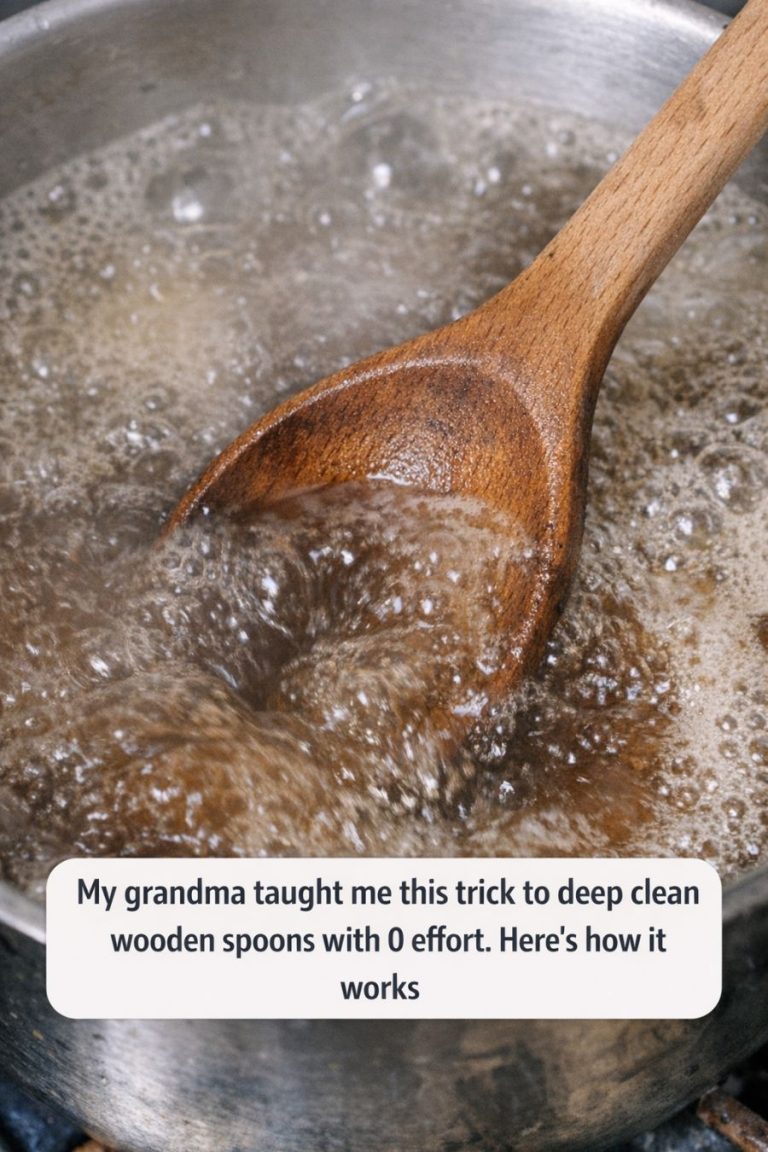
For the most effective results, soak the wooden spoons for at least 15 to 30 minutes. This duration allows the vinegar to thoroughly disinfect and deodorize the wood, while the heat from the water helps open up the wood's pores.
For spoons that have been heavily used or are particularly stained, consider extending the soak time to one hour. However, avoid soaking overnight, as excessive exposure to water can cause the wood to swell and potentially crack.
6. The Science Behind Why This Trick Works So Well
The effectiveness of this cleaning method lies in the chemistry of vinegar and baking soda. Vinegar contains acetic acid, which is known for its antimicrobial properties. It effectively kills bacteria and neutralizes odors by dissolving the chemical compounds responsible for them.
Baking soda, on the other hand, is a base that reacts with the acetic acid in vinegar, creating a fizzing action that helps lift grime and stains from the wood. This reaction also helps to break down any organic material that might be trapped in the wood's pores, ensuring a thorough clean.
7. What You’ll See Lifting Out of Your Wooden Spoons
As the spoons soak, you may notice the water becoming discolored or see small particles floating to the surface. This is a good sign, indicating that the solution is effectively pulling out trapped oils, food residues, and other impurities from the wood.
The discoloration and particles are a result of the vinegar and baking soda breaking down the absorbed materials and lifting them out of the wood. This process not only cleans the spoons but also restores their natural appearance and freshness.
8. Rinse, Dry, and a Quick Finishing Touch
After the soaking period, remove the spoons from the solution and rinse them thoroughly under warm running water. This step is crucial to ensure all residues of vinegar and baking soda are washed away.
Once rinsed, pat the spoons dry with a clean towel and let them air dry completely in a well-ventilated area. For a finishing touch, you can apply a small amount of mineral oil or food-grade oil to condition the wood, keeping it moisturized and preventing it from drying out or cracking.
9. How Often You Should Deep Clean Wooden Spoons
The frequency of deep cleaning your wooden spoons depends on how often you use them and the types of foods you cook. For regular home cooks, a monthly deep cleaning is generally sufficient to maintain the spoons' hygiene and appearance.
However, if you frequently use your wooden spoons for cooking rich or aromatic dishes, such as curries or stews, consider deep cleaning them every two weeks to prevent the flavors from lingering.
10. Extra Tips to Keep Wooden Spoons Fresh Longer
To prolong the life of your wooden spoons, avoid leaving them in water for extended periods, as this can cause the wood to swell and split. Always dry them thoroughly after washing, and store them in a dry place.
Additionally, periodically applying a thin layer of mineral oil or beeswax can help maintain the wood's moisture and prevent it from cracking. This practice not only extends the spoons' lifespan but also preserves their appearance and smooth texture.
11. Common Mistakes That Ruin Wooden Spoons (And How to Avoid Them)
One common mistake is washing wooden spoons in the dishwasher. The high heat and prolonged exposure to water can damage the wood, causing it to warp or crack. Always hand wash wooden spoons to preserve their integrity.
Another mistake is using harsh detergents or bleach, which can strip the wood of its natural oils and cause it to dry out. Stick to mild dish soap for regular cleaning and reserve the vinegar and baking soda method for deep cleaning sessions.
Continue reading by clicking the ( NEXT 》 ) button below !