Wooden spoons are a staple in many kitchens, beloved for their versatility and gentle touch on cookware. However, over time, these trusty tools can become weathered and stained, absorbing flavors and odors that make them less desirable for cooking. While regular washing can handle surface dirt, deep cleaning is necessary to maintain their integrity and longevity.
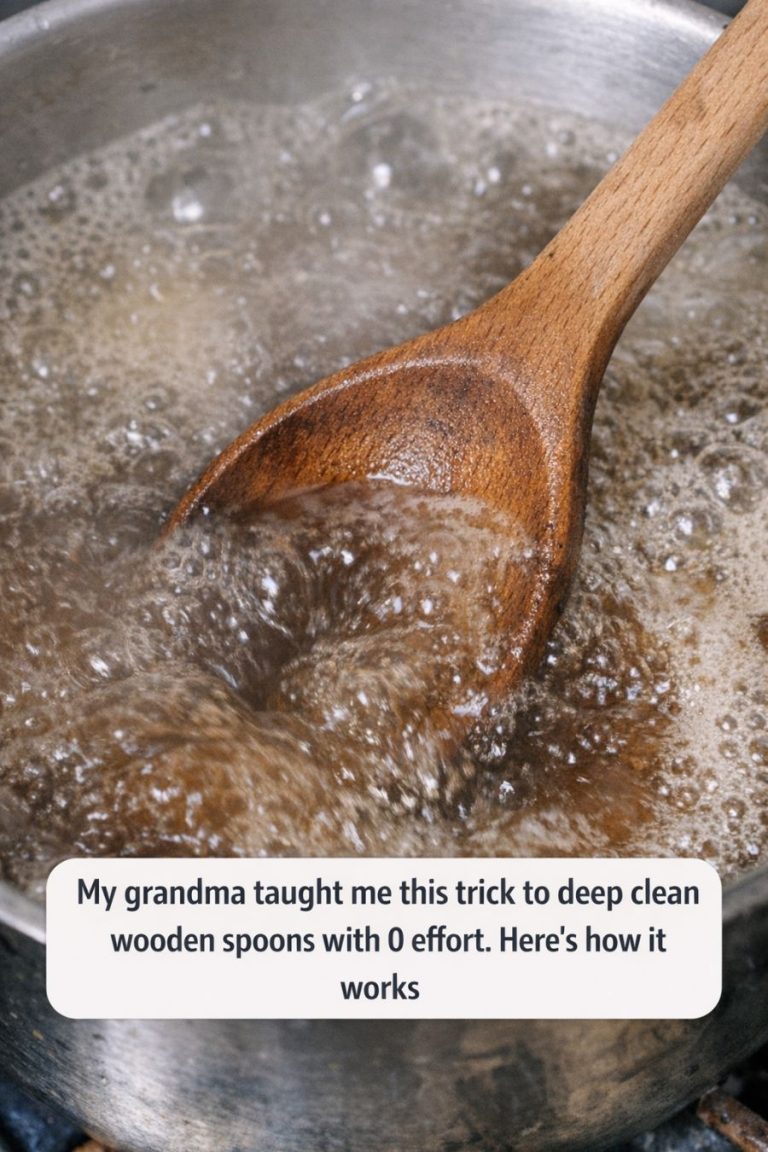
My grandmother, a seasoned cook and homemaker, always had a knack for keeping her kitchen tools in pristine condition. She shared with me a simple, zero-effort trick to deep clean wooden spoons that she swore by. This method not only restores the spoons to their natural beauty but also ensures they are hygienic and odor-free. Here’s how her tried-and-true technique works.
Advertisement
1. Why Wooden Spoons Need a Different Kind of Deep Clean
Unlike metal or plastic utensils, wooden spoons are porous, meaning they can absorb liquids, oils, and even bacteria over time. This absorption can lead to unpleasant odors, discoloration, and even potential health risks if not addressed. Regular soap and water may clean the surface, but they don't always penetrate the wood deeply enough to remove ingrained residues.
Furthermore, wooden spoons are often used in cooking processes involving heat and oil, which can exacerbate the absorption issue. Over time, the combination of heat, moisture, and food particles can create a breeding ground for bacteria if not properly cleaned. This is why a deep cleaning process specifically designed for wooden utensils is essential.
2. The Old-School Trick My Grandma Swore By
My grandma's trick involves a natural and gentle method that requires minimal effort yet delivers maximum results. She would soak the spoons in a simple solution of hot water and vinegar, which acts as a natural disinfectant and deodorizer. This method is not only effective but also safe for the wood, unlike harsh chemicals that could damage it.
She believed in the power of natural ingredients, and vinegar was her go-to for many cleaning tasks around the house. The acidity of the vinegar helps break down any fats and proteins that may have been absorbed by the wood, while the heat from the water opens up the wood's pores, allowing for a deeper clean.
3. What You Need: Simple Ingredients You Already Have
The beauty of this method is its simplicity. All you need is hot water and white vinegar – ingredients most people already have in their kitchen. For a typical cleaning session, measure out 1 cup of white vinegar for every 4 cups of hot water, enough to cover the wooden spoons completely.
Optionally, you can add a tablespoon of baking soda for extra cleaning power. Baking soda is a mild abrasive and natural deodorizer that complements the vinegar's action, ensuring any stubborn stains or odors are effectively removed.
4. The Zero-Effort Setup: Mix, Soak, and Walk Away
Start by heating water until it's hot but not boiling. Pour it into a bowl or basin large enough to accommodate your wooden spoons. Add the white vinegar, and if desired, the baking soda. Stir the mixture until the baking soda dissolves completely.
Immerse the wooden spoons in the solution, ensuring they are fully submerged. Then, simply walk away and let the solution work its magic. This is the beauty of the method – it requires no scrubbing or manual labor. The solution will naturally penetrate the wood and lift out impurities.
5. How Long to Soak for Maximum Deep Cleaning Power
ADVERTISEMENT
ADVERTISEMENT
Continue reading by clicking the ( NEXT 》 ) button below !